up-board-mandatory-vocational-education-from-class-9
Why Uttar Pradesh’s Decision to Make Vocational Education Mandatory from Class 9 Is a Game-Changer for Indian Schools
In a forward-looking move that aligns with the goals of the National Education Policy (NEP) 2020, the Uttar Pradesh Board of Secondary Education has recently announced that vocational education will be made compulsory for students starting from Class 9 across the state. This marks a significant shift in how education is delivered — bridging the gap between academic learning and real-world skills.
This decision has far-reaching implications for schools, students, parents, and the broader ecosystem of skill-based education. At Jupsoft, we believe this change opens up opportunities for integrating technology, hands-on learning, and future-ready curriculum in every classroom.
What’s Changed?
Under the new policy:
- Students in Class 9 and above will now study vocational subjects as part of their regular curriculum.
- The initiative aims to provide practical, skill-based learning alongside traditional academic streams.
- It reflects India’s broader vision to make education more relevant to future careers and economic participation.
Why This Matters — The Big Picture
Aligning School Learning With Real-World Skills
For too long, Indian education has focused primarily on theoretical knowledge. Making vocational education compulsory ensures students :
- Learn practical skills early
- Are better equipped for future careers
- Develop confidence in real-life tasks
This contributes to India’s overarching goal of building a skilled and employable youth workforce.
Boosting Employability
Research shows that students with vocational skills tend to perform better in :
- Technical job roles
- Entrepreneurship
- Apprenticeship programs
By integrating vocational training at the high school level, Uttar Pradesh is helping students gain a head start in career readiness.
Supporting NEP 2020 Goals
The National Education Policy 2020 emphasizes skill development, critical thinking, multidisciplinary education, and vocational pathways from an early stage. Uttar Pradesh’s policy is a concrete step in realizing this vision.
Role of Technology in Making Vocational Education Effective
To truly realize the benefits of vocational learning, schools need the right tools — and digital platforms can play a transformative role.
Here’s how education technology supports this shift :
🔹 Interactive Learning Platforms
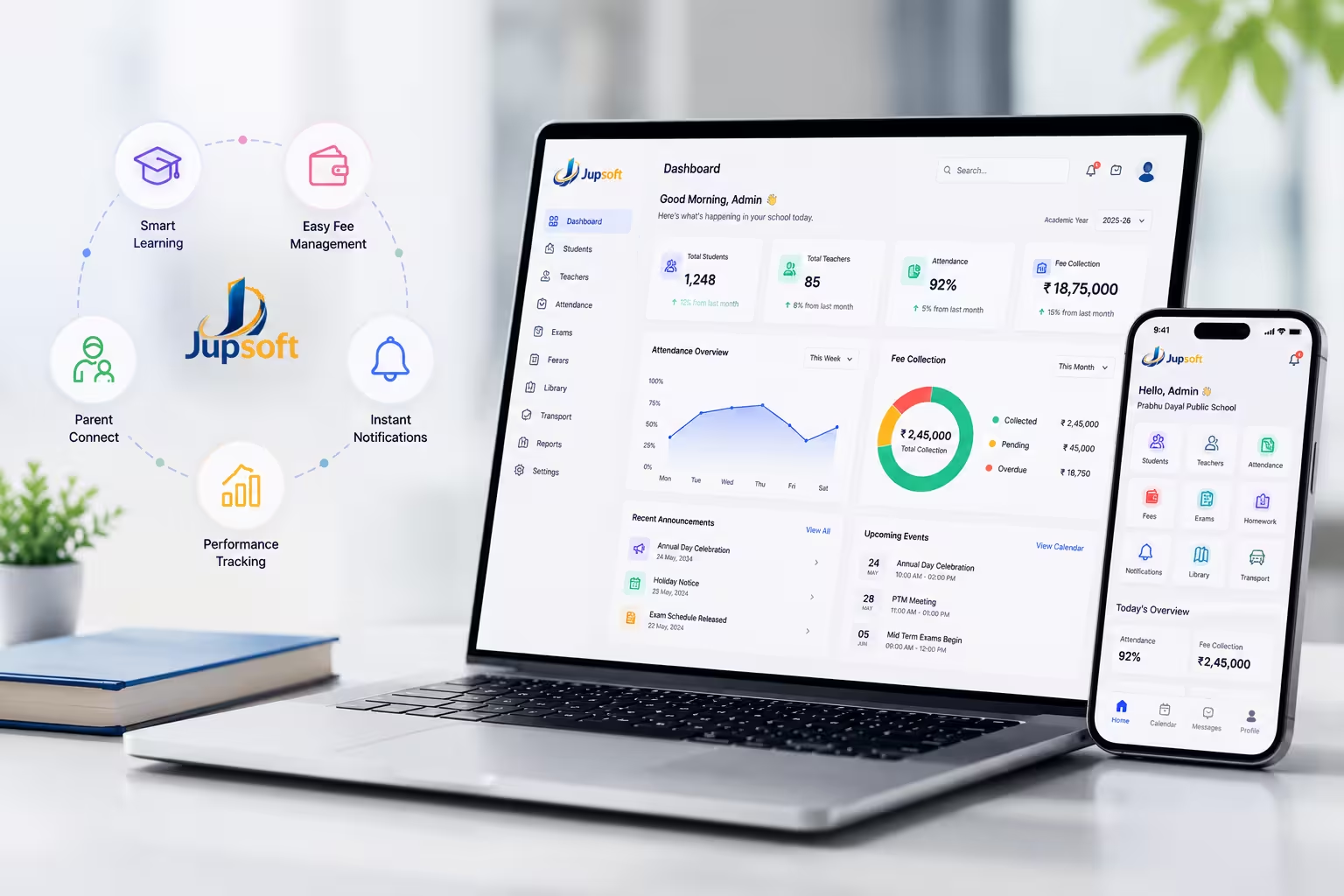
Platforms like Jupsoft School ERP and LMS help teachers manage vocational course content, track student progress, and integrate assessments with ease.
🔹 Digital Classrooms & Online Resources
Digital tools make it easier to :
- Deliver hands-on content virtually
- Provide simulations and project-based learning
- Offer multimedia resources for diverse skills
🔹 Skill-Based Assessments
Traditional exams are being complemented with practical skill evaluations, which can be efficiently managed through technology dashboards.
What Schools Should Do Next
With vocational education becoming compulsory from Class 9, schools must :
🎯 Redesign Curriculum Plans
Include a structured vocational pathway aligned with student interests and future job markets.
📚 Train Teachers
Equip educators with the skills and tools to deliver vocational subjects confidently.
💻 Adopt Technology Solutions
Use ERP, LMS, and digital platforms to :
- Organize coursework
- Monitor engagement
- Enhance skill tracking
Jupsoft’s integrated solutions can help schools transition smoothly into this new vocational-focused era.
Conclusion
Uttar Pradesh’s decision to make vocational education compulsory from Class 9 is a progressive and strategic move — one that stands to benefit students, schools, and the future workforce of India. By embracing this change and integrating digital learning tools like Jupsoft’s ERP and LMS platforms, schools can lead the way in preparing students for the challenges and opportunities of the 21st century.
Let’s build an education ecosystem where academic knowledge and practical skills go hand-in-hand.